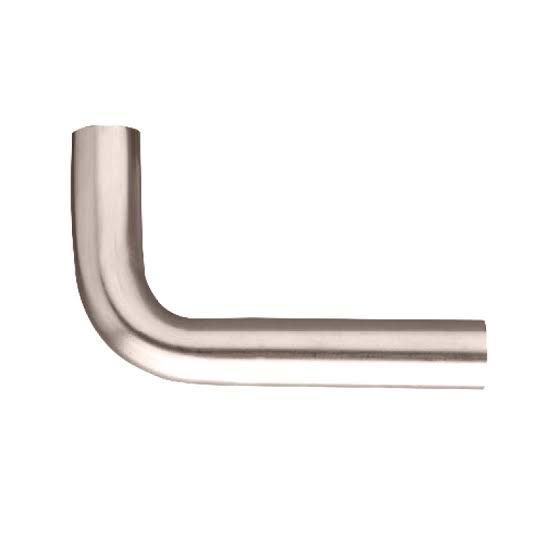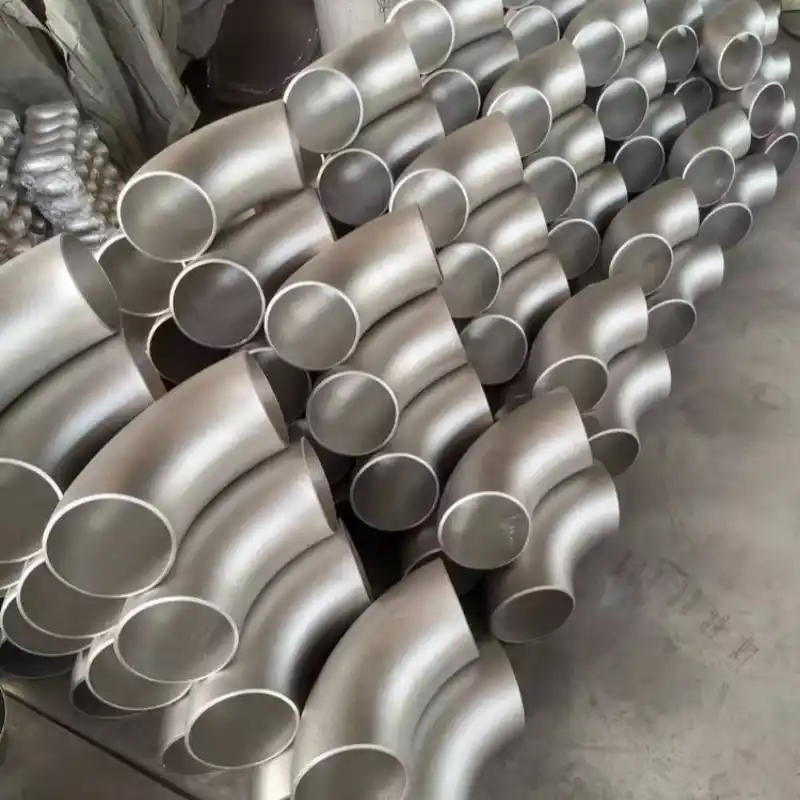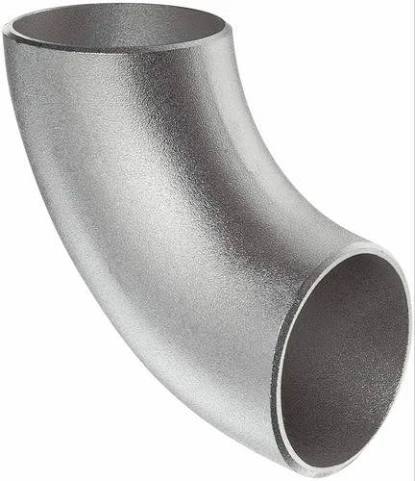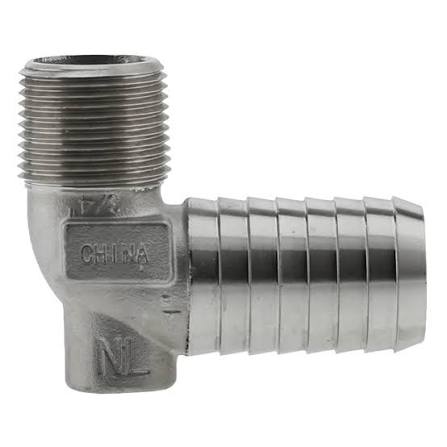
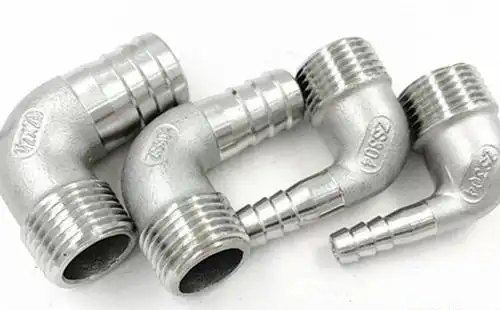
Stainless Steel Press Elbow for Fast Mechanical Joining
Stainless steel press elbow for fast mechanical joining. Compare pipe system, size, seal ring, insertion depth, press tool, service medium, and approvals.
Description
stainless steel press elbow uses a preinstalled seal ring and a mechanical press contour to change the direction of piping. Where permitted by project specifications, it can reduce field threading or hot work. It is not an ordinary elbow that can be selected independently of the system: pipe size, wall-thickness series, Seal Ring, Press Profile, press jaw, and tool must all be compatible with the same approved system.
Press Elbow Is Part of a Complete System
| System Element | Mandatory Confirmation for Procurement or Installation |
|---|---|
| System Pipe | The pipe outside diameter, wall thickness, or Schedule must fall within the approved range of the selected system. |
| Fitting Body | Materials such as 304, 316, or 1.4401 must match the system and service medium. |
| Seal Ring | CIIR, EPDM, FKM, and HNBR shall be selected only according to the manufacturer’s media table. |
| Press Profile | The press contour, Press Jaw, or Press Ring must match the system. |
| Press Tool | Tool force, size range, and accessories must be approved by the system manufacturer. |
| Service Approval | Service medium, pressure, temperature, fire protection, potable water, or gas applications must be confirmed against the system documentation. |
Six Installation Gates for Press Connections
- After cutting the pipe, inspect the end face and remove internal and external burrs to avoid damaging the Seal Ring.
- Confirm that the pipe outside diameter, wall thickness, and surface condition fall within the approved range of the selected press system.
- Check the Seal Ring material, position, and cleanliness, and do not use replacement parts of unknown origin or incompatible specification.
- Mark the Insertion Depth according to the system instructions and insert the pipe end to the marked position.
- Use the corresponding Press Profile and approved tool for pressing. Do not mix unverified jaws, rings, or actuators.
- After pressing, inspect the insertion mark, press impression, and direction, and perform a pressure test or unpressed-connection check as required by the project.
Seal Ring Must Be Selected by Medium and System
Different brands and series use different Seal Ring materials for water, compressed air, oil, gas, or high-temperature media. The application limits of CIIR, EPDM, FKM, and HNBR cannot be transferred directly across systems. For an inquiry, provide the service medium, design pressure, design temperature, and cleaning-agent information so technical personnel can check the manufacturer’s application table.
Some systems include an unpressed-connection identification function such as Leaky if Unpressed or Smart Connect. This is a system-specific design feature and must not be assumed for every stainless steel press elbow. Product pages and quotations should identify the specific system or state subject to system confirmation.
When Press Connection Should Not Be Preferred
- The existing pipe outside diameter, wall thickness, or material is outside the approved range of the target press system.
- The project specification requires an all-welded system, full-penetration welding, or a specified Butt Weld connection.
- The service medium or temperature has no corresponding Seal Ring and system approval.
- The specified Press Tool cannot be used on site, or there is insufficient space around the elbow for the jaw or press ring.
- Pipes, fittings, Seal Ring, and Press Profile from different brands are planned to be mixed without written compatibility evidence.
stainless steel press elbow Specifications
| Parameter | Specification |
|---|---|
| Product Name | Stainless Steel Press Elbow |
| Product Type | 90 Degree Press x Press Elbow |
| Elbow Angle | 90°; 45° subject to order confirmation |
| Size Range | 1/2 inch to 4 inch, common manufacturer range; metric dimensions by system |
| Material | 304 or 316 Stainless Steel; CrNiMo steel 1.4401 in some systems |
| Connection Type | Press x Press; Press x Male or Female Thread subject to order confirmation |
| Mating Pipe | Approved system pipe; OD, wall series or Schedule must match the selected system |
| Seal Ring | CIIR, EPDM, FKM or HNBR, selected by medium and system approval |
| Press Profile | Manufacturer-approved press contour, jaw or ring |
| Insertion Depth | Marked and verified according to system installation instructions |
| Pressure / Temperature | Determined by pipe, fitting, seal ring, medium and system approval |
| Unpressed Detection | Available only where provided by the selected system |
| Inspection Items | Visual, insertion-depth, press-mark and pressure-test inspection |
| Customization | Size, angle, end pattern, material, seal ring, marking and documents, subject to system review |
Frequently Asked Questions (FAQ)
1. How can the aging cycle of the Seal Ring be traced?
First record the Seal Ring material, manufacturer’s part number, colour code, batch or date code, and installation date. Then link these records to the service medium, design temperature, cleaning agents, and operating history. The replacement cycle should be determined from the manufacturer’s documentation and the project maintenance plan. A single general service life must not be applied to every press system.
2. Why must Insertion Depth be marked before pressing?
The Insertion Depth mark confirms that the pipe end remains in the specified position during pressing. Insufficient insertion reduces the effective press zone, while movement or pull-out may affect sealing and mechanical retention. The mark should remain visible and be checked after pressing.
More Products