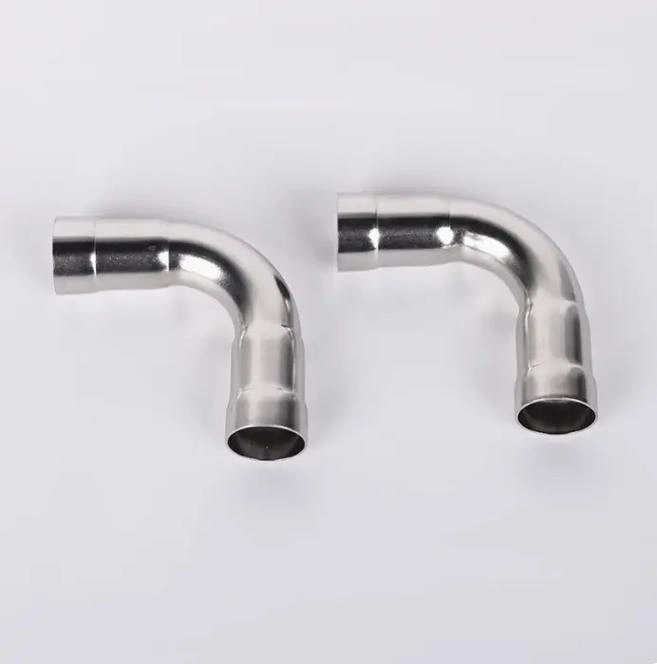
Stainless Steel Flanged Elbow for Bolted Pipe Joints
Stainless steel flanged elbow for bolted pipe joints. Compare NPS, angle, flange Class, face type, bolt pattern, material, gasket, and dimensions.
Description
stainless steel flanged elbow is used to change piping direction where bolted connections, disassembly for inspection, or alignment with valve and equipment flange interfaces is required. Procurement should first confirm whether the elbow is an integral cast or forged flanged fitting or a fabricated structure consisting of a butt-weld elbow with attached flanges, and should then verify NPS, angle, Flange Class, Facing, bolt holes, and center-to-end dimensions.
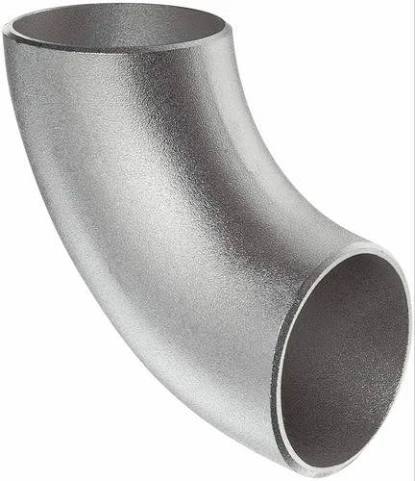
stainless flanged elbow
An integral flanged fitting and an elbow body with welded flanges do not follow the same material specifications, dimensional references, or inspection route. The inquiry should include a construction drawing or clearly state the Construction Type so that the word flanged does not lead to an assumed manufacturing method. A flange connection permits disassembly, but joint performance depends on the combined compatibility of the elbow, flanges, gasket, bolting, and assembly conditions.
stainless steel elbow flange
The flanged end should identify the applicable standard, Class, Raised Face, Flat Face, or Ring Type Joint, sealing-face finish, and bolt-hole arrangement. ASME B16.5 covers pressure-temperature ratings, materials, dimensions, tolerances, marking, and testing for flanges and flanged fittings, while the specific edition and project additions should still be stated in the order. Scratches, distortion, or inadequate protection of the sealing face can affect gasket compression, so the Facing condition should also be checked at receipt.
ss elbow with flange
Elbow angle, center-to-end dimensions, or center-to-flange-face dimensions affect the final position of equipment interfaces. A double-flanged configuration also requires confirmation of both flange orientations, whether the bolt holes straddle the centerline, and wrench access during installation. Flange x Butt Weld, Flange x Flange, and reducing end patterns should be identified separately. When the drawing is fixed, an ss elbow with flange cannot be selected only by NPS and Class.
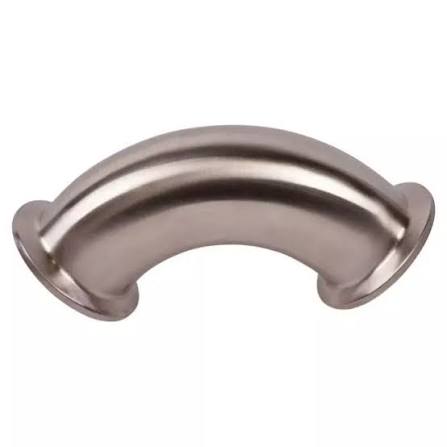
stainless steel fittings and flanges
Material compatibility should cover the elbow body, flanges, welding consumables, bolts, and gasket. For a fabricated construction, the elbow material specification, flange material specification, welding WPS, heat treatment, and NDE requirements should be confirmed separately. The MTR, heat number, product marking, and packing list should form a traceable relationship, and any material substitution requires written approval. Export packaging should protect sealing faces and bolt holes against impact, contamination, and mixing of components from different Classes.
stainless steel flanged elbow Specifications
| Parameter | Specification |
|---|---|
| Product Name | Stainless Steel Flanged Elbow |
| Product Type | 90 Degree Flanged Elbow, common preset; 45 Degree subject to order confirmation |
| Construction Type | Integral flanged fitting or fabricated elbow with attached flanges, subject to technical review |
| End Pattern | Flange x Flange or Flange x Butt Weld, subject to drawing confirmation |
| Flange Standard | ASME B16.5 or project-specified standard |
| Flange Class | Specified by design; matching flange Class required at each connection |
| Facing | Raised Face, Flat Face or Ring Type Joint, subject to system confirmation |
| Material | 304, 304L, 316 or 316L common project grades; exact product specification required |
| Dimensions | NPS, angle, center-to-face dimensions and flange orientation confirmed by drawing |
| Bolt Pattern | Hole number, diameter, bolt circle and orientation matched to the mating flange |
| Gasket / Bolting | Selected by facing, material, temperature, medium and applicable code |
| Documentation | Material records, heat number, marking and assembly or weld records by order |
| Pressure / Temperature | Determined by material, Class, facing, gasket, bolting, temperature and piping code |
| Customization Boundary | Angle, end pattern, Class, facing, material, dimensions and documents, subject to technical review |
Frequently Asked Questions (FAQ)
1. Can Flange Class be used directly as a fixed working pressure?
No. Class is a standard series designation. The actual allowable pressure also depends on the material group, design temperature, flange construction, gasket, bolting, and applicable piping code. The inquiry should provide the design conditions and flange standard and should confirm that both mating flanges use the same Class, Facing, and dimensional system.
2. Why does a stainless steel flanged elbow require the bolt-hole orientation?
For double-flanged or equipment-interface connections, bolt-hole orientation affects flange alignment, valve orientation, and site assembly. In addition to NPS, Class, and Facing, the inquiry should provide center dimensions, flange orientation, and bolt-hole orientation before it can be confirmed that the stainless steel flanged elbow will fit the intended position.
More Products