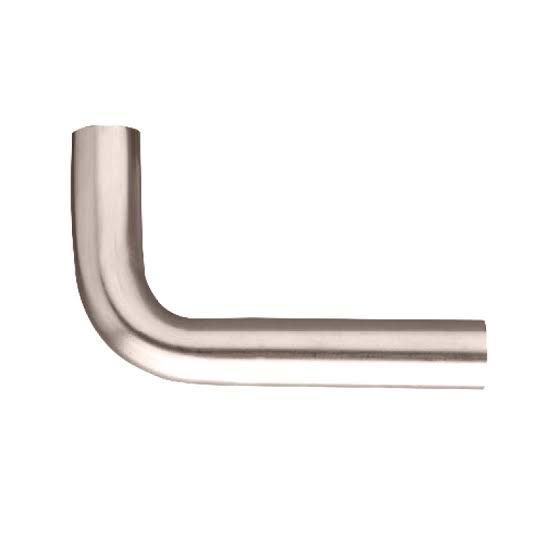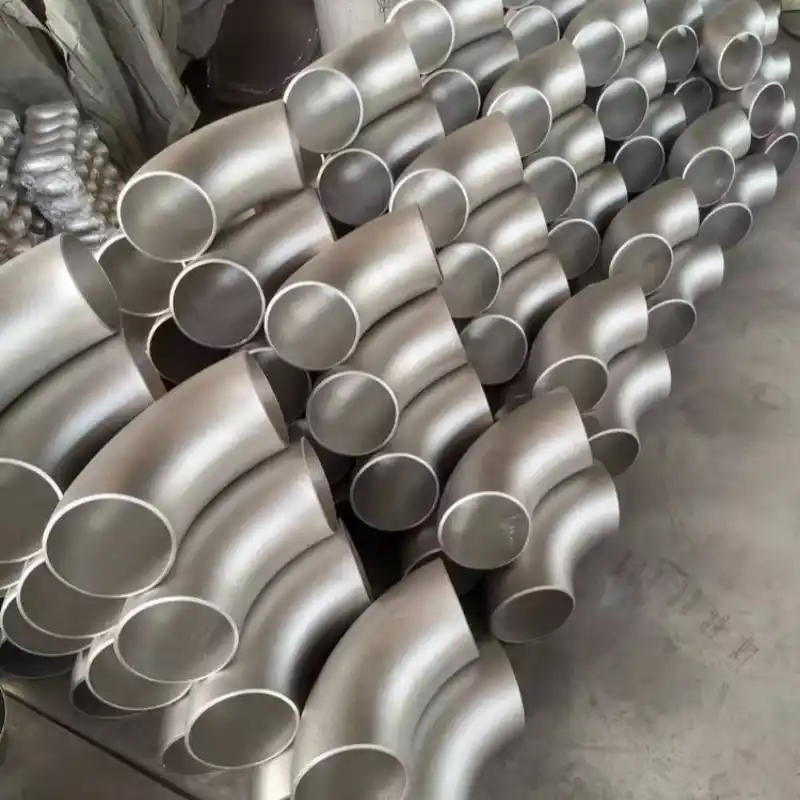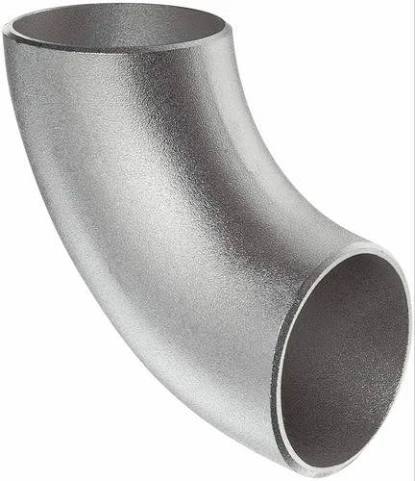
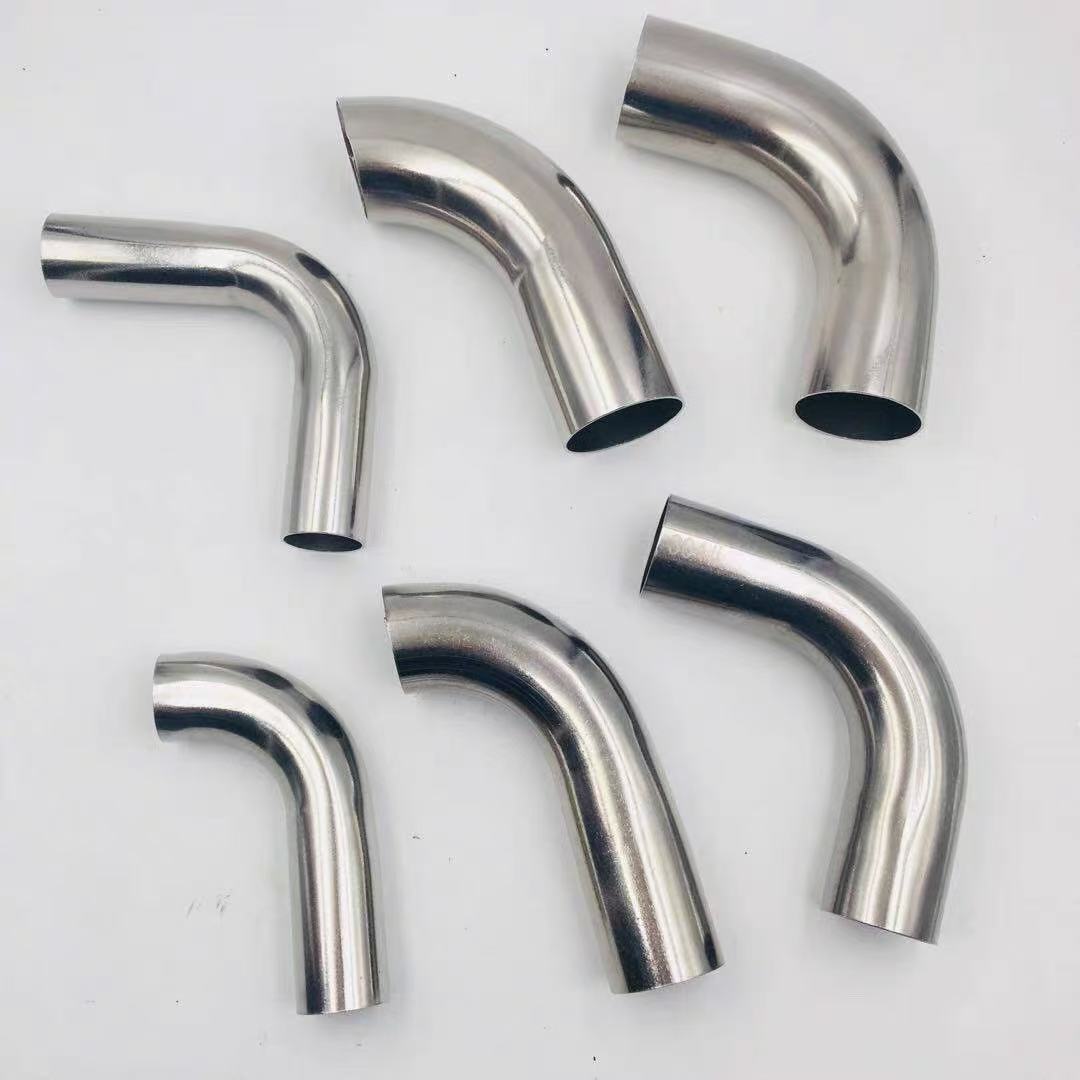
Stable 90 Degree Stainless Steel Elbow for Process Piping
Stable 90 degree stainless steel elbow for industrial piping. Select the grade, size, radius, and connection to suit your service conditions.
Description
Stable 90 Degree Stainless Steel Elbow: Reliable Directional Connection for Industrial Piping
stable 90 degree stainless steel elbow is suitable for water treatment, chemical processing, utilities, oil and gas transmission, and general industrial fluid piping.
Purchasers can select the appropriate material, size, bend radius, and connection type based on working pressure, operating temperature, media corrosiveness, piping dimensions, and installation requirements.
stable 90 degree stainless steel elbow Structure and Materials
The product is available in 304, 304L, 316, or 316L stainless steel. 304 and 304L are generally suitable for fresh water, utilities, and industrial environments with relatively low corrosion. 316 and 316L contain molybdenum and generally provide better corrosion resistance in humid, coastal, and some chloride-containing environments.
stable 90 degree stainless steel elbow Dimensions, Radius, and Connection Type
For 90 degree stainless steel pipe elbow, the outside diameter, roundness, center-to-end dimensions, and wall thickness of the ends affect field fit-up and welding quality. Accurate end preparation helps reduce misalignment, welding rework, and installation deviation.
The preset configuration uses a long radius design with a bend radius of 1.5D. A long radius elbow usually provides a smoother change in flow direction. Where installation space is limited, a short radius configuration may be further evaluated.
When purchasing, the nominal size, Pipe Schedule, connection type, dimensional standard, and allowable tolerances of the mating pipe should be checked together to avoid ordering based only on product appearance or a single nominal size.
Product Specifications
| Parameter | Specification |
|---|---|
| Product Name | Stable 90 Degree Stainless Steel Elbow |
| Product Type | 90 Degree Long Radius Elbow |
| Elbow Angle | 90° |
| Material | Stainless Steel 304, 304L, 316, 316L |
| Material Standard | ASTM A403 |
| Material Grade | WP304, WP304L, WP316, WP316L |
| Size Range | DN15 to DN600, 1/2 inch to 24 inch |
| Bend Radius | Long Radius, 1.5D |
| Optional Configuration | Short Radius, 1.0D |
| Pipe Schedule | SCH 10S, SCH 20, SCH 40S, SCH 80S, SCH 160 |
| Connection Type | Butt Weld |
| Dimensional Standard | ASME B16.9 |
| Manufacturing Type | Seamless or Welded |
| Applicable Media | Water, Oil, Gas, Steam and Compatible Chemical Fluids |
| Applications | Chemical Processing, Water Treatment, Oil and Gas, Food Processing and General Industrial Piping |
| Pressure Rating | Determined by Size, Material Grade, Wall Thickness and Operating Temperature |
| Inspection Items | Visual Inspection and Dimensional Inspection |
Applications and Industry Solutions
This 90-degree stainless steel elbow can be used in water treatment piping, chemical fluid transport, utility systems, oil and gas piping, steam piping, and general industrial process piping. Different applications may have different requirements for material, wall thickness, surface condition, and quality documentation.
Ordinary liquid piping generally focuses on corrosion resistance, dimensional accuracy, pressure-bearing conditions, and welding compatibility. Steam or high-temperature piping also requires evaluation of the effect of temperature on material properties and pressure rating. When used in food or clean fluid systems, surface roughness, cleaning requirements, and sanitary standards must also be confirmed.
Frequently Asked Questions
1. How does this 90-degree stainless steel elbow support stable piping operation?
Appropriate material, size, wall thickness, bend radius, and connection type help reduce fit-up deviation, abnormal corrosion, and operational failures. Actual performance must also be evaluated based on media, pressure, temperature, and installation conditions.
2. How should 304 and 316 be selected?
304 or 304L may be considered for fresh water and mildly corrosive environments. For higher chloride levels, coastal conditions, or more severe corrosive environments, 316 or 316L should be further evaluated. Final selection should also consider media composition, temperature, cleaning method, and expected service life.
More Products