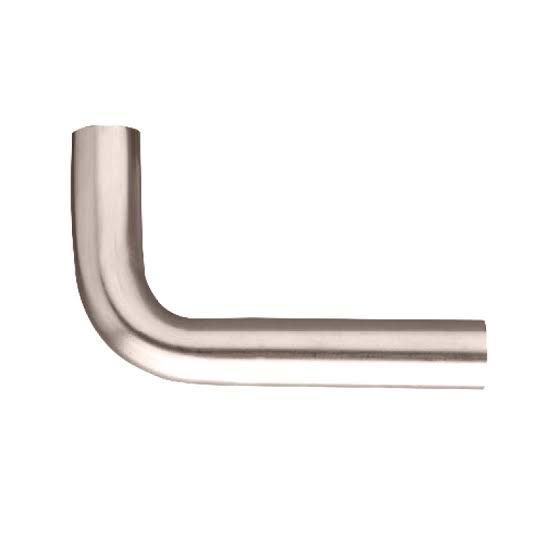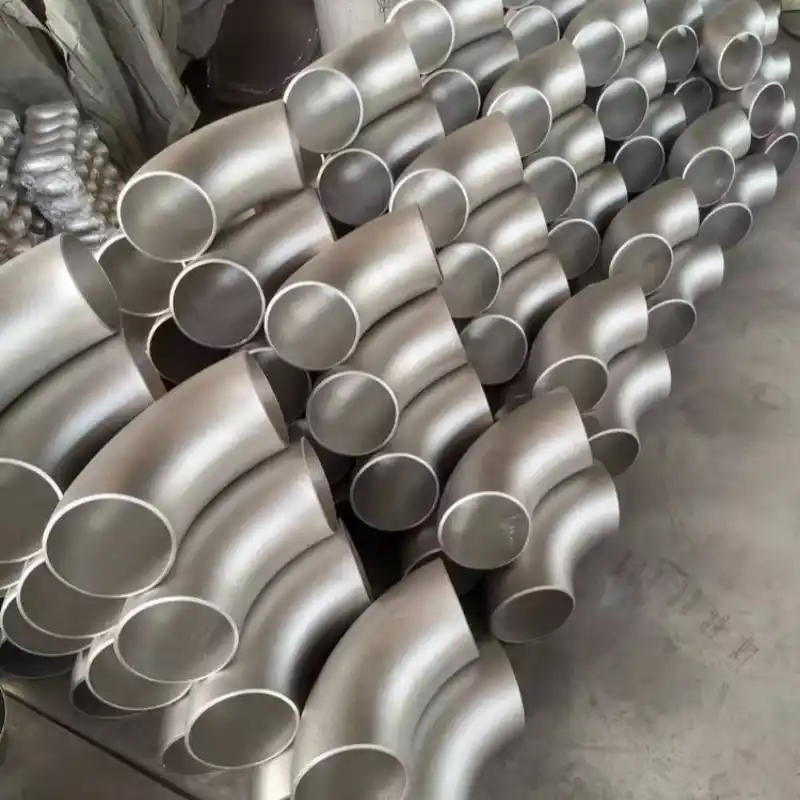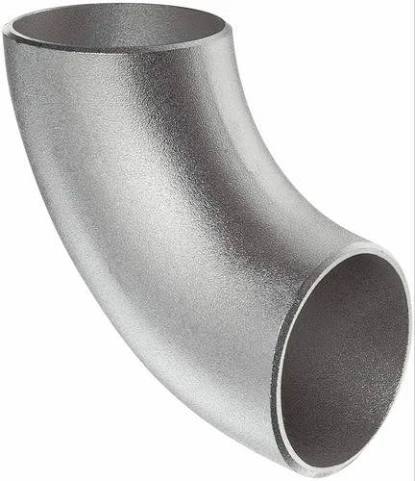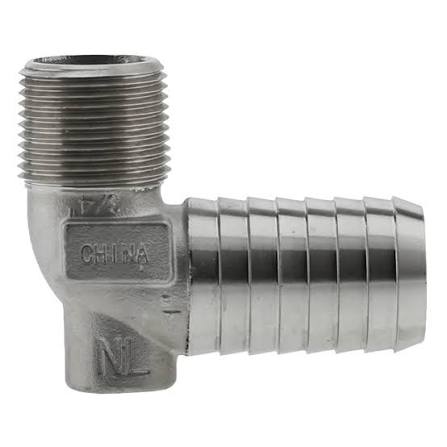

Hygienic Stainless Steel KF 90 Degree Elbow
Hygienic stainless steel KF 90 degree elbow for vacuum connections. Compare KF size, flange, seal, material, cleaning and leak-test requirements.
Description
The core of a hygienic stainless steel KF 90 degree elbow is not simply a “90 degree” turn. It is the flange, seal, and assembly method within a KF vacuum connection system. Confirm KF size, elbow angle, material, seal, clamp, and installation space together. Explain the connection system first and then discuss dimensions and cleaning so the item is not substituted for an ordinary hygienic weld elbow.
KF Size and Seal Must Be Confirmed Together
A KF system normally uses a flange, centering seal, outer clamp, or similar components to complete the connection. Different sizes and seal materials cannot be exchanged by appearance. The order should state both elbow-end specifications, seal form, and matching components. If the service involves vacuum, clean service, or a special gas, confirm whether the supplier’s pressure, leak-test, and cleaning information applies to the target condition.
Material and Cleanliness Boundary
Stainless steel grade, internal-surface condition, clean packaging, and degreasing requirements should appear in the same technical quotation. Tube or vacuum information from a material supplier can help explain the material and system boundary, but it does not replace the actual elbow dimensional drawing. If a customer requires hygienic or clean service, separately confirm surface treatment, particle control, seal material, and site assembly requirements.
KF Connection, Cleaning, and Receiving
When ordering a KF 90 degree elbow, confirm KF size, flange dimensions, seal cross-section, clamp, material, and angle as one set. Seals may use different materials and structures, so “KF” alone is not an interchangeability statement. During installation, keep the end faces clean, position the centering seal correctly, control clamp loading, and follow the leak-check method. Vacuum level, leak rate, and cleanliness grade are subject to the specific product information.
On receipt, inspect flange faces, seal grooves, burrs, protective caps, and dimensions. If the system also includes hygienic weld ends or clamp ends, verify those interface standards separately so a KF vacuum connection is not treated as an ordinary hygienic connection.
The KF sealing face, centering seal, clamp, and flange outside diameter should be confirmed as one connection system. KF16, KF25, KF40, and KF50 sizes cannot be substituted by name alone; flange dimensions, seal cross-section, and clamp space can all affect assembly. If one end connects to a vacuum chamber and the other to a pump or line, show the direction and service space on the layout.
Cleanliness requirements should be expressed as degreasing, internal-surface protection, packaging, and leak-test records rather than only the words “hygienic” or “high vacuum.” Avoid touching or contaminating the sealing area during installation. At receiving, inspect end faces, grooves, protective caps, and seal condition; confirm vacuum values against the model-specific documents.
When a KF system is changed, the flange size, centering seal, and clamp often need to change together. Different-size seals are not general consumables. For vacuum lines that are frequently disassembled, also consider protective caps, cleaning tools, and maintenance access.
Mark the elbow direction on the system drawing so the line is not installed backwards or left with a clamp that cannot be opened. For frequently cleaned systems, confirm the seal replacement method and whether internal-surface protection is supplied. If frequent disassembly is expected, confirm clamp opening direction and space for removing the seal before layout is finalized.
KF Compatibility Map
- Interface: Confirm that both ends use the intended KF size, flange dimensions, and direction.
- Seal: State the centering-seal form, material, and whether it is supplied with the elbow.
- Clamp: Confirm the outer clamp, bolts, or other hardware and the required assembly space.
- Cleaning: List degreasing, clean packaging, and internal-surface protection requirements.
- Testing: Leak, pressure, or vacuum figures may be quoted only from the applicable product documents.
Product Parameters
| Parameter | Review Specification |
|---|---|
| Connection system | KF vacuum connection; exact size is subject to the system drawing. |
| Bend angle | 90°; size and direction are subject to the product drawing. |
| Flange dimensions | KF size, outside diameter, and sealing face at both ends are subject to the catalog. |
| Material | Project-specified stainless steel grade and surface condition. |
| Seal | Material, specification, and medium compatibility are subject to order. |
| Clamp | Matching clamp or fasteners are subject to the system list. |
| Clean packaging | Cleanliness, degreasing, and protective-cap requirements are subject to the project. |
| Test documents | Leak or pressure documents are subject to the project and supplier capability. |
| Delivery status | Single item, accessory set, and delivery details are subject to quotation. |
Frequently Asked Questions
1. Can a KF elbow be exchanged with an ordinary hygienic clamp elbow?
It is not recommended. KF is a vacuum-flange connection system, and its sealing face, clamp, and dimensions may differ from an ordinary hygienic clamp. Confirm against the system drawing.
2. Can a KF elbow page state a fixed vacuum rating?
Only when the applicable product and test documents support the value. Without product-level evidence, state that the rating is subject to supplier documents and order confirmation.
More Products