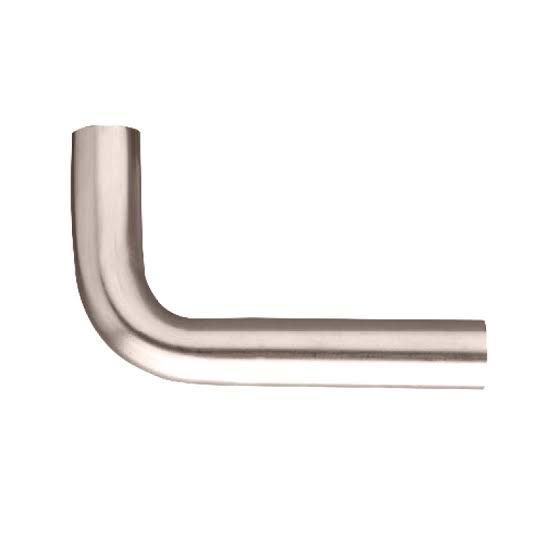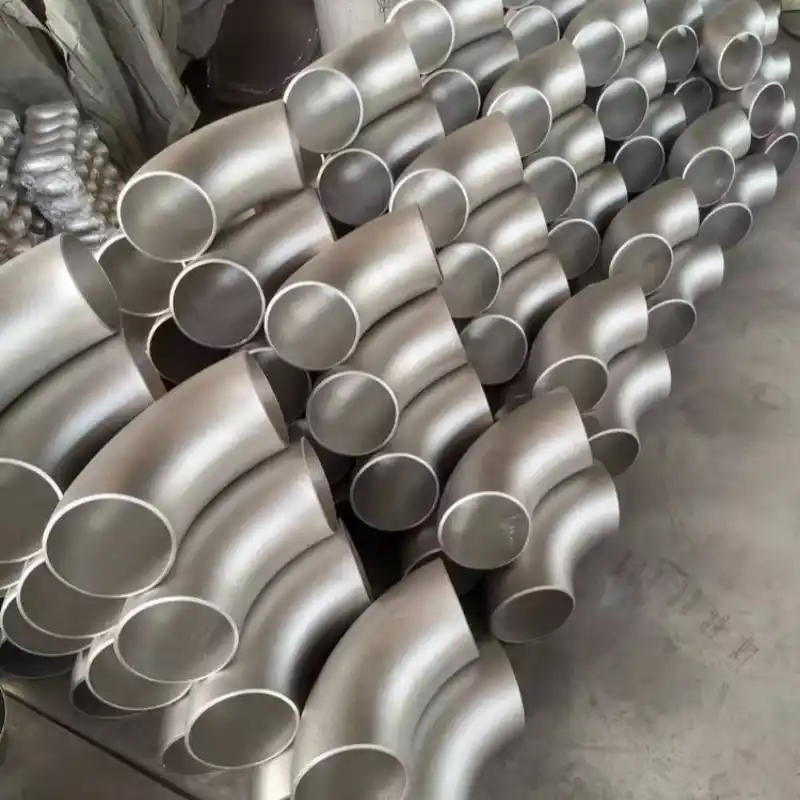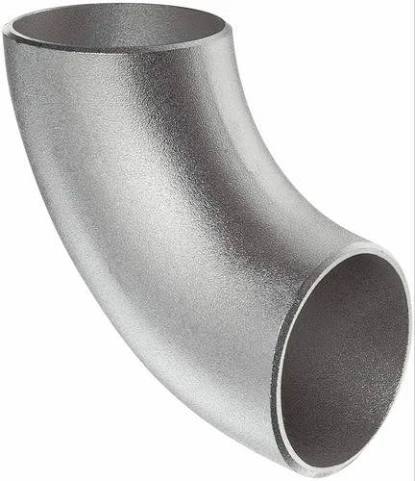
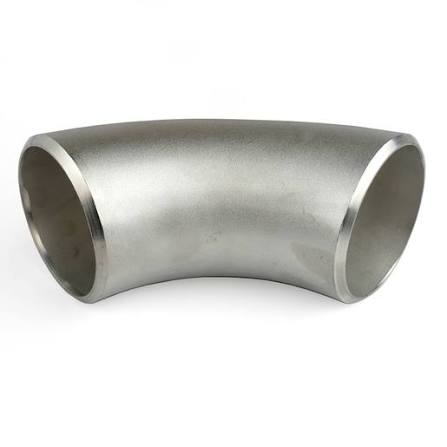
316 Stainless Steel Elbows Grade Verification
316 stainless steel elbows for material and procurement review. Verify exact grade, material standard, dimensions, end connection, heat number and MTR.
Description
The starting point for 316 stainless steel elbow information is material confirmation, not treating “316” as a complete performance conclusion. Confirm angle, dimensions, ends, and manufacturing standard first, then assess whether the grade suits the medium and environment. Material names for 316, 316L, and different standards can vary, so the order should state the exact grade, standard, and certificate requirements.
Make the Material Standard Traceable
If the project requires an MTR, heat number, PMI, or heat-treatment record, state it during quotation. The material certificate must be traceable to the elbow identification and batch; a generic material statement without a link to the supplied part is not enough. For welded items, also confirm the material combination of the elbow and matching straight pipe and the welding-consumable requirements so the welding review can be completed.
Do Not Let the Grade Hide Size and Connection
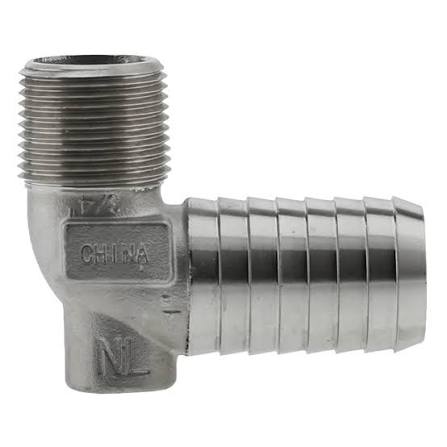
316 is only one material dimension. The actual product may have butt-weld, threaded, clamp, socket-weld, or another connection. Each end type creates a different installation and receiving logic. Product information may address searches such as “316 stainless steel 45 degree elbow,” but angle, connection, size, wall thickness, and end type should remain separate fields so one keyword does not replace a complete specification.
Application Boundary of the 316 Grade
316, 316L, and other 316-series grades should not be reduced to the phrase “316 stainless steel.” Confirm the material standard, carbon requirement, product form, welding condition, and grade match with the connected straight pipe. The grade itself does not replace an engineering assessment of medium, temperature, concentration, and cleanliness.
Material Documents and Receiving
The order may require an MTR, heat number, PMI, or other project documents, with the grade, standard, and finished-part identification linked together. Angle, radius, size, end type, and wall thickness still need a separate check. On receipt, inspect identification, appearance, ends, and dimensions; a material certificate is not a substitute for inspecting the finished elbow.
316 Material Decision Card
- Exact grade: Confirm 316, 316L, or the project-approved equivalent instead of using a shorthand name.
- Standards: List the material, fitting, and dimensional standards rather than only the grade.
- Connection: State angle, end type, wall thickness, and matching straight-pipe information.
- Document chain: Make identification, heat number, MTR, and required PMI traceable to one another.
- Application boundary: Corrosion, pressure, and temperature conclusions must return to the medium and project standard.
316 stainless steel elbows Product Parameters
| Parameter | Review Specification |
|---|---|
| Material grade | 316, 316L, or a project-specified grade; subject to the order standard. |
| Product standard | Project-specified ASME/ASTM/EN or manufacturer standard. |
| Dimensional standard | Confirm against the piping class, angle, and dimensional drawing. |
| Connection | Butt-weld, threaded, clamp, or another configuration is subject to order. |
| Wall thickness / Schedule | Confirm against the matching piping specification. |
| Identification | Grade, size, batch, and direction marks are subject to project requirements. |
| Surface treatment | Pickling, passivation, or another treatment is subject to order. |
| Material documents | MTR, heat number, and PMI requirements are subject to the project. |
| Receiving | Dimensions, appearance, documents, and sampling plan are subject to confirmation. |
FAQ
1. Can I purchase a 316 elbow without distinguishing 316 from 316L?
It is not recommended. The exact grade, standard, and welding requirements may differ. Confirm them against the project material specification and supplier documents.
2. Are 316 stainless steel elbows resistant to every corrosive medium?
No. Corrosion performance depends on medium, concentration, temperature, stress, and surface condition. The product information can provide a verification path, not an unconditional promise.
More Products