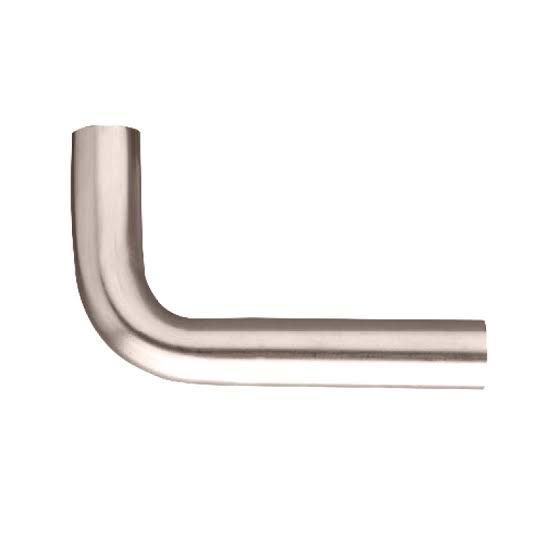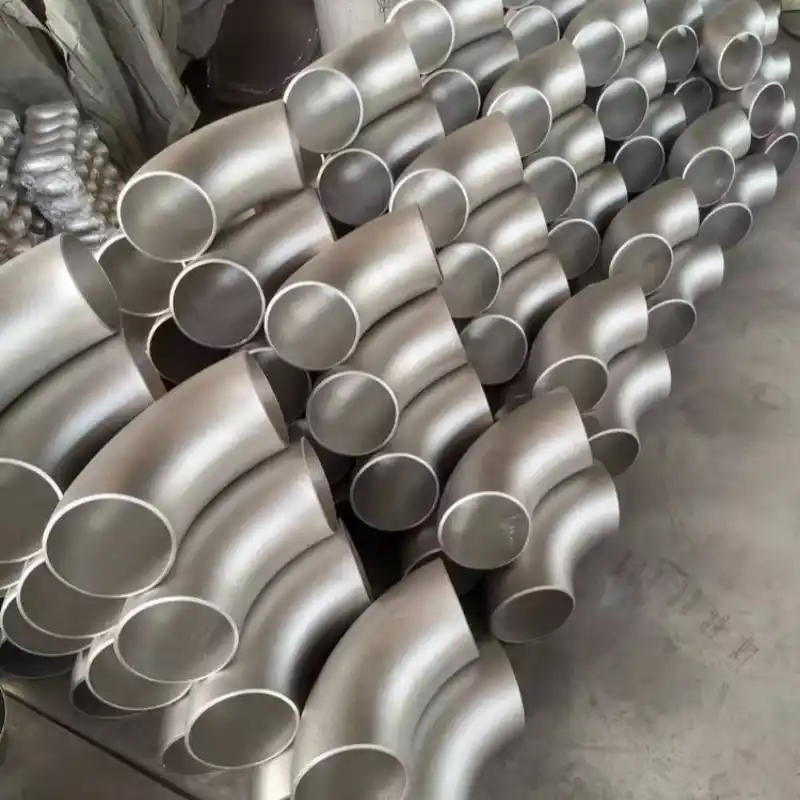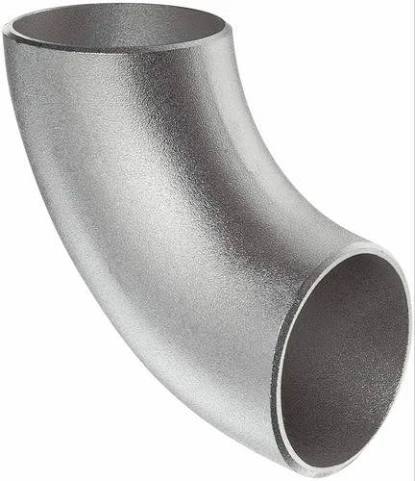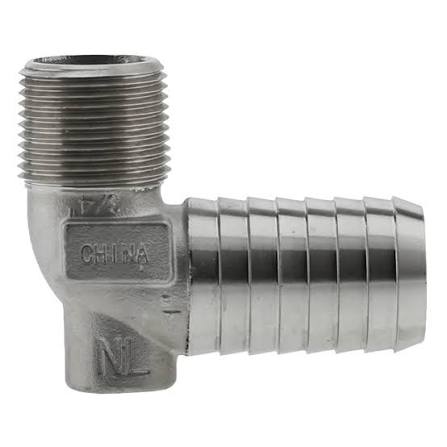
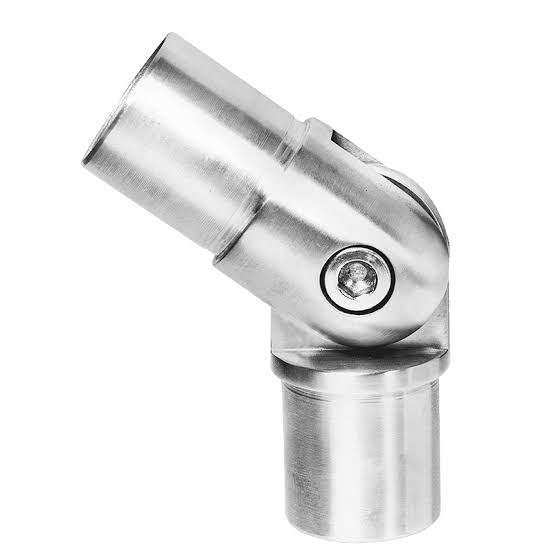
Stainless Steel Handrail Elbow for Flush-Weld Rail Corners
Stainless steel handrail elbow for rail corner fabrication. Compare tube OD, wall thickness, bend or miter style, radius, weld fit-up, and surface finish.
Description
stainless steel handrail elbow is used for corner connections in handrails, railings, and glass-rail top rails. This page defines the product as a structural and decorative Rail Fitting. Procurement should confirm Tube OD, wall thickness, angle, Radius Bend or Miter Style, Weld/Swage connection method, and Surface Finish.
Handrail Elbow Corner Drawing Card
| Item | Requirement |
|---|---|
| Tube OD / Profile | Round-tube outside diameter or other handrail profile size |
| Wall Thickness | Matched to the Rail Tube for welding or slip-fit evaluation |
| Corner Style | Radius Bend, Horizontal Miter, or another drawing-defined configuration |
| Inside Radius | Key dimension controlling corner envelope and visual curvature |
| Weld / Swage | Flush-Weld, Slip-Fit, or another assembly method confirmed by product configuration |
| Surface Finish | Mill, Brushed Satin, or Polished, with grain direction confirmed |
stainless handrail elbows and stainless steel railing elbow
These terms usually refer to corner fittings in railing systems. A 90° product may be a Radius Bend or a Horizontal Miter, and the two forms differ in appearance, center dimensions, and installation method. The inquiry should include the Rail Profile or product drawing rather than stating only 90° and outside diameter.
stainless handrail elbow and stainless railing elbows
The railing elbow should match the OD and wall thickness of the mating handrail tube. Flush-Weld construction requires checks of outside diameter, roundness, wall thickness, and butt-joint gap. Slip-Fit or No-Weld construction instead requires verification of insertion length, mating dimensions, and fixing method.
ss railing elbow
ss railing elbow is a shortened search term and does not establish 304, 316, or a fixed Finish. Indoor or outdoor exposure, nearby chloride conditions, and project design influence material selection. Material Grade, Finish, and connection method should be listed separately in the order rather than combining decorative appearance and corrosion resistance into a single stainless requirement.
stainless polished elbow
Polished, Brushed Satin, and Mill Finish should be managed separately. Welded handrail elbows should also define the post-weld grinding area, grain direction, and transition to the straight tube. Grinding the weld flush does not by itself complete the final surface finish. On continuous top rails, color difference and brushing direction directly affect visual consistency.
Flush-Weld Rail Corner Trial-Fit Procedure
Before final welding, perform a dry fit with the mating Rail Tube and check OD flushness, the space required by the Inside Radius, and corner orientation. Then fix the centerlines of both ends and confirm the weld gap. After tack welding, check the angle and rail continuity again before completing the weld and surface restoration. For a Miter construction, also inspect the seam location and grain direction on both sides.
Handrail Elbow Receiving and Project Segregation
At receipt, verify Tube Size, Angle, Style, Inside Radius, Material Grade, Finish, and part number by project area. If 304 and 316, Mill and Satin, or products with different radii are used in the same project, they should be packaged and identified separately.
stainless steel handrail elbow Specifications
| Parameter | Specification |
|---|---|
| Product Name | Stainless Steel Handrail Elbow |
| Product Type | Handrail or Railing Corner Elbow |
| Intended Use | Handrail, railing or glass-rail top rail; not pressure piping |
| Tube Size | Actual Tube OD and wall thickness matched to the rail system |
| Corner Style | Radius Bend, Miter or other profile according to drawing |
| Angle | 90 Degree common configuration; other angles subject to order confirmation |
| Inside Radius | Specified by product drawing and rail layout |
| Material | 304 or 316 Stainless Steel common configurations; exact grade subject to order confirmation |
| Weld / Swage | Flush-Weld, Slip-Fit, no-weld or other system, subject to product configuration |
| Surface Finish | Mill, brushed satin or polished finish, subject to order confirmation |
| Inspection Items | Tube OD, wall thickness, angle, radius, fit-up, surface, marking and visual review |
| Customization Boundary | Tube size, angle, radius, style, grade, connection and finish, subject to technical review |
Frequently Asked Questions (FAQ)
1. Can a stainless steel handrail elbow be used directly as a pressure-piping elbow?
No. The product on this page is defined by the structural, appearance, and assembly requirements of railing or handrail systems. Pressure-fitting material specifications, ratings, wall-thickness requirements, and test requirements are not used as the default basis. Pressure piping should use project-approved pressure fittings.
2. Can handrail elbows with the same outside diameter be directly interchanged?
Not necessarily. Wall thickness, Radius or Miter construction, Inside Radius, Weld/Swage method, and Surface Finish must also be checked. In a continuous railing system, inconsistent geometry or grain direction can affect assembly and appearance, so the stainless steel handrail elbow should be confirmed against the drawing.
More Products