Where to Find Stainless Steel Fittings Suppliers Near Me?
In industrial piping systems, the selection of stainless steel fittings directly impacts the safety, durability, and maintenance costs of the entire pipeline. Whether for new projects or retrofitting existing lines, finding reliable local suppliers not only shortens delivery cycles but also provides more timely technical support. So, how can you efficiently filter suppliers that meet your project requirements? Below is a reference framework based on material, standards, connection methods, and more.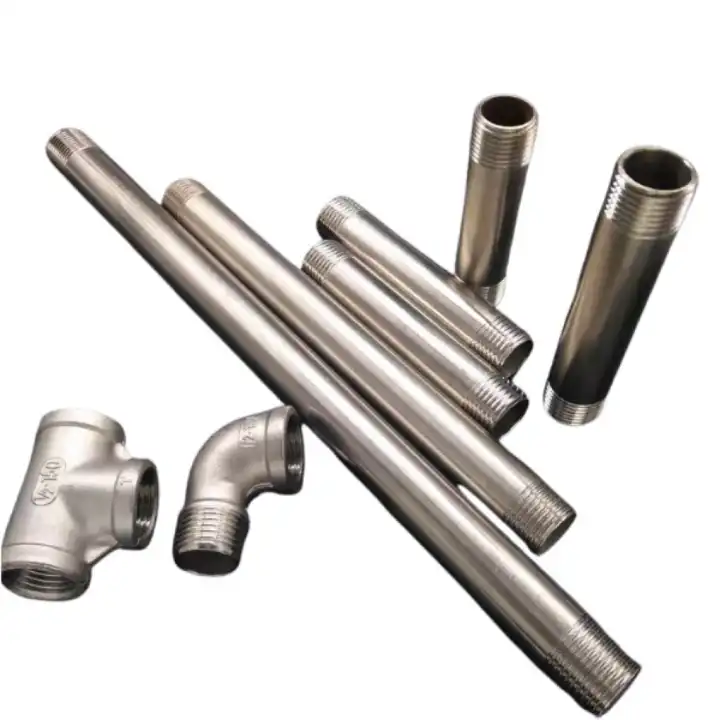
1. stainless steel fittings types: Clarify the types of fittings needed for your project
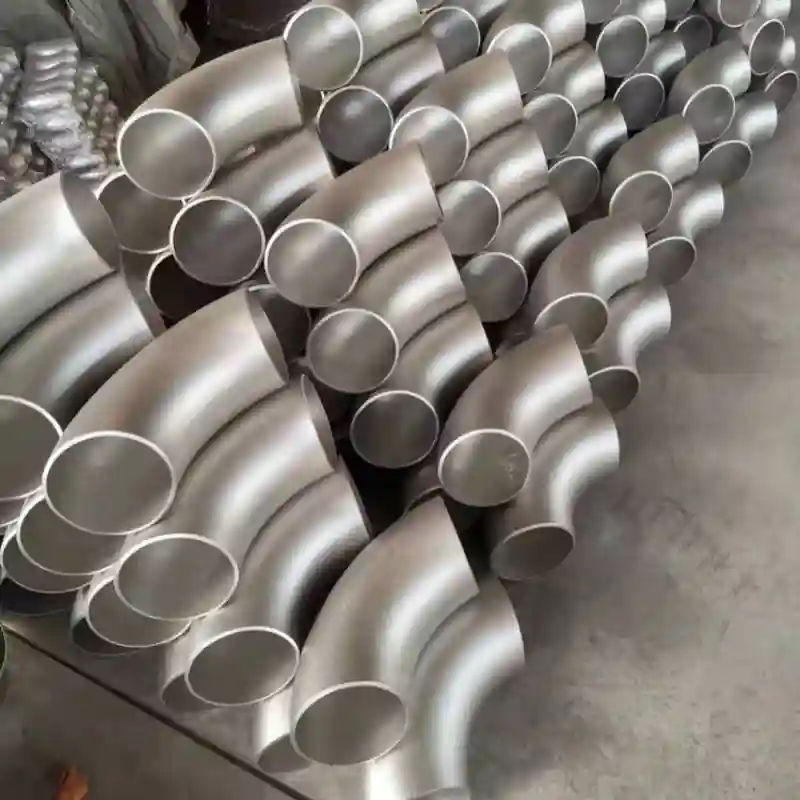
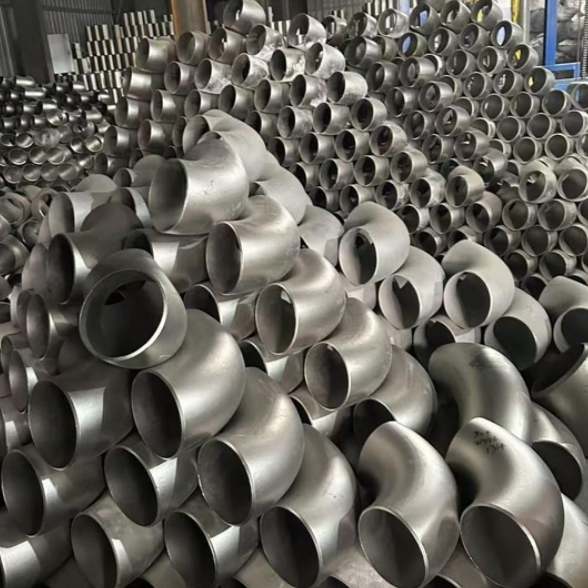
✔️Different working conditions require different fitting configurations. Elbow is used to change pipe direction, tee for branch diversion, reducer for diameter transitions, and cap or blind flange for end closures.
✔️Before procurement, it is advisable to draw a piping routing diagram and mark the angle (45°, 90°, 180°), bending radius (long radius or short radius), and end connection type (threaded, butt-weld, socket-weld, flanged) for each fitting. A clear type list helps avoid return costs or rework due to mismatched models.
2. stainless steel fittings material: Material determines corrosion resistance and temperature tolerance
✔️Material selection is a core technical decision. Common austenitic stainless steels such as 304/304L are suitable for general corrosive environments, while 316/316L, with added molybdenum, perform better in chloride-containing or acidic media.
✔️For high-temperature conditions (e.g., boilers, heat exchangers), 310H or 321H may be chosen for their superior creep resistance and oxidation resistance. Additionally, duplex stainless steels (e.g., 2205) offer high strength and excellent resistance to stress corrosion cracking, making them ideal for marine engineering or oil & gas extraction.
✔️Suppliers should be able to provide third-party material test reports (e.g., PMI spectral analysis) to ensure material composition complies with ASTM or EN standards.
3. stainless steel fittings standard: Unified manufacturing and inspection benchmarks
✔️Internationally recognized fitting standards include ASME B16.9 (butt-weld fittings), B16.11 (socket-weld and threaded fittings), B16.5 (flanges), and MSS SP-43 (light-weight butt-weld fittings).
✔️Different standards specify wall thickness, dimensional tolerances, hardness, and non-destructive testing (NDT) requirements. Reliable suppliers will clearly indicate the applicable standard, schedule number (Sch 10S, Sch 40S, Sch 80S), and pressure rating (Class 150, 300, 600) on product labels.
✔️During procurement, request inspection certificates per EN 10204 3.1 or 3.2, which are critical for traceability of material origin and manufacturing processes.
4. stainless steel fittings and flanges: Flange compatibility and sealing reliability
✔️Flanges are key components for connecting pipes, valves, and equipment. Their sealing face types (RF, FF, RTJ) must match the gaskets and fasteners. Common flange standards include ANSI/ASME B16.5 (American) and EN 1092-1 (European) – differences in dimensions and pressure‑temperature ratings between these standards may cause leakage if mixed.
✔️Professional suppliers often offer matched flange, gasket, and bolt/nut packages, and can assist with torque calculations and bolt preload verification. Moreover, the forging process and heat treatment (e.g., solution annealing) of flanges directly affect resistance to intergranular corrosion – be sure to request process records from the supplier.
5. stainless steel pipe joining methods: Connection methods determine installation efficiency and maintenance convenience
The joining method between fittings and pipes should consider site conditions, working space, and long‑term maintenance strategies.
-
Butt welding suits high‑pressure, high‑temperature applications, offering high weld strength and low flow resistance, but requires skilled welders and radiographic inspection.
-
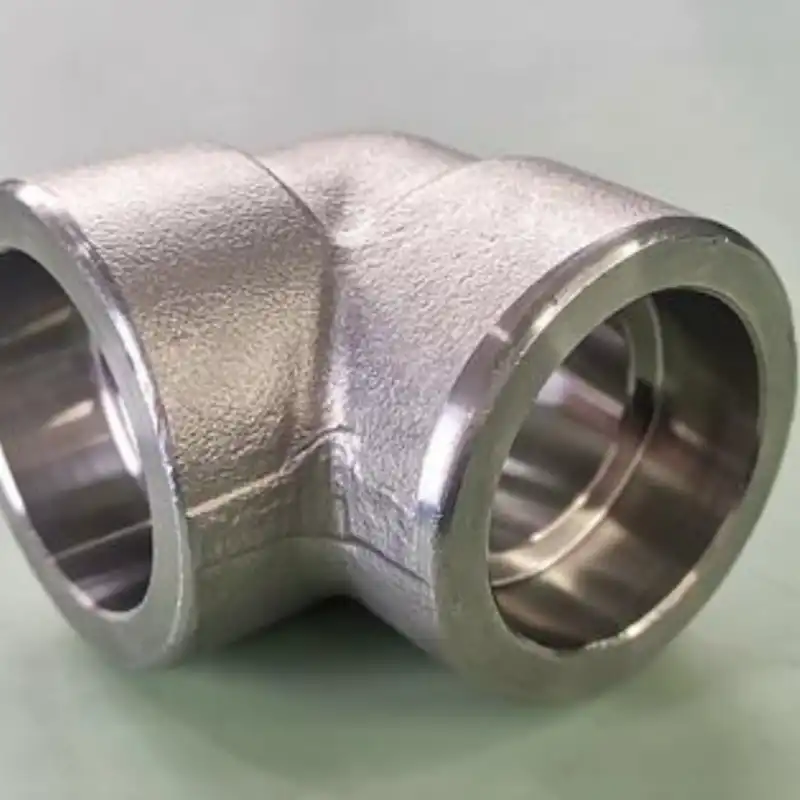
Socket welding and threaded connections are suitable for small‑bore and low‑pressure systems – they are easy to install, but attention must be paid to the selection of sealing tape or compound.
-
Grooved coupling enables quick assembly/disassembly and is often used in fire‑protection or temporary piping.
How to evaluate the overall capability of local suppliers?
Beyond product range, also examine:
-
Inventory scale (coverage of common sizes and special alloys)
-
Quality system certifications (ISO 9001, PED 2014/68/EU)
-
Export experience (familiarity with INCO terms and packaging protection)
Request at least three reference projects of similar scope, and consider site visits or virtual factory inspections. Also inquire about after‑sales policies, including warranty, return/exchange procedures, and technical response times.
Summary
✅Finding stainless steel fittings suppliers near me requires a systematic evaluation based on technical parameters, standard compliance, material verification, and joining processes. By checking each of the five dimensions above, you can significantly reduce procurement risks and ensure your piping system operates safely and economically throughout its full life cycle.
📌For project‑specific supplier lists or quotation templates, feel free to contact the AIFN technical team – we offer customized selection advice and global delivery support.