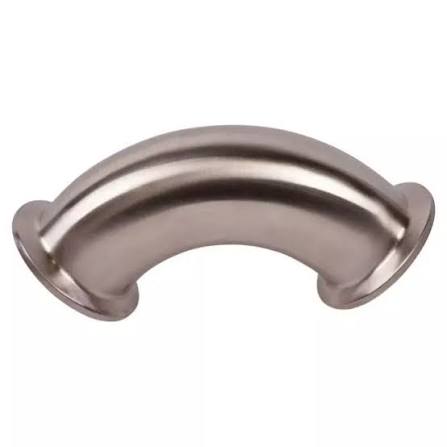
What Are PEX A Stainless Steel Fittings Used For?
In modern building plumbing systems, PEX A (cross-linked polyethylene Type A) pipes are gradually replacing traditional copper pipes and CPVC pipes due to their excellent flexibility, freeze-thaw resistance, and shape-memory properties. The matching stainless steel fittings and elbows have become the critical factor determining the long-term reliability of the entire piping system.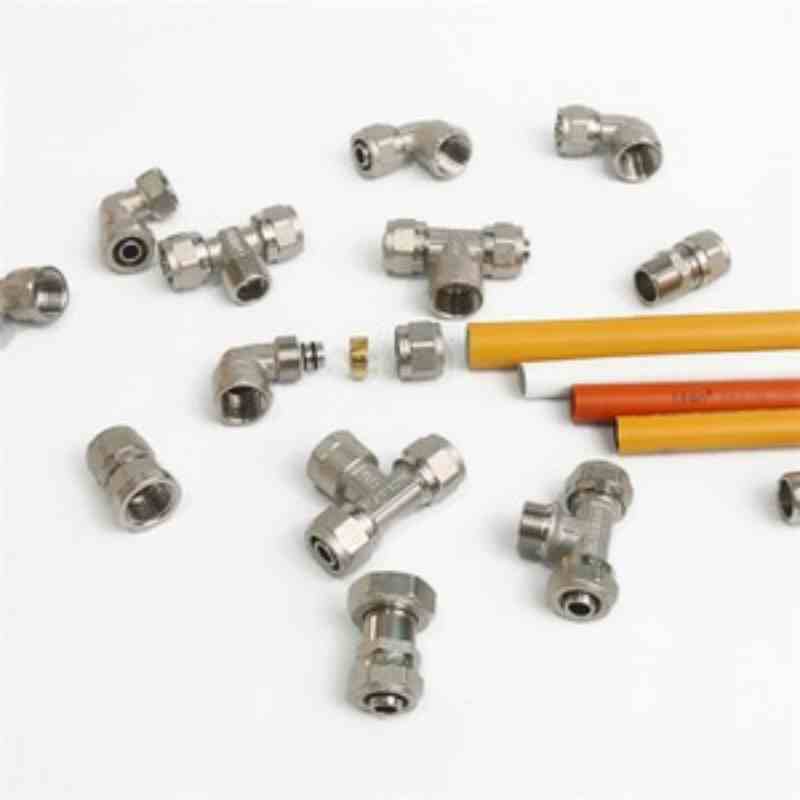
1. Stainless Steel Fittings for PEX – Why Must Type A Pipes Use Dedicated Fittings?
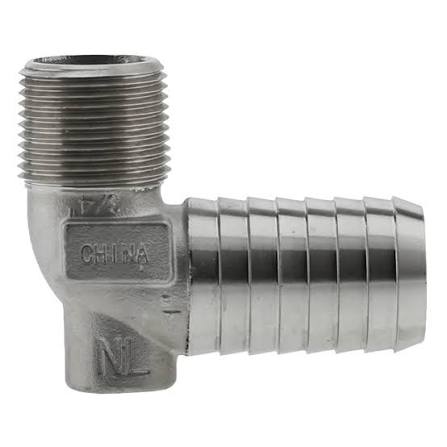
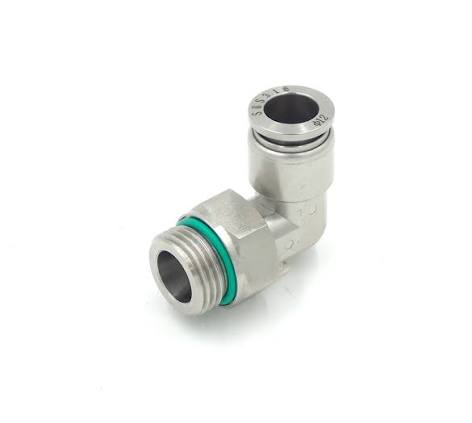
PEX A pipes use cold expansion connections or press connections, and their fitting designs differ from those for PEX B or PEX C. High‑quality stainless steel materials (e.g., 304 or 316L) provide outstanding corrosion resistance and tensile strength, making them especially suitable for:
-
Riser pipes in high‑rise residential buildings: where water pressure fluctuates significantly, stainless steel fittings can withstand higher fatigue stress.
-
Hot water recirculation systems in commercial buildings: under sustained high temperatures (≤200°F), stainless steel’s coefficient of thermal expansion matches PEX A more closely, reducing leakage risks.
-
Concealed installations (inside walls or underground): stainless steel is non‑toxic and does not leach harmful substances, meeting NSF/ANSI 61 drinking water standards.
The international journal Plumbing Engineer has noted that the combination of PEX A and stainless steel fittings shows a failure rate approximately 37% lower than brazed copper connections over a 50‑year service life (based on ASHRAE research data).
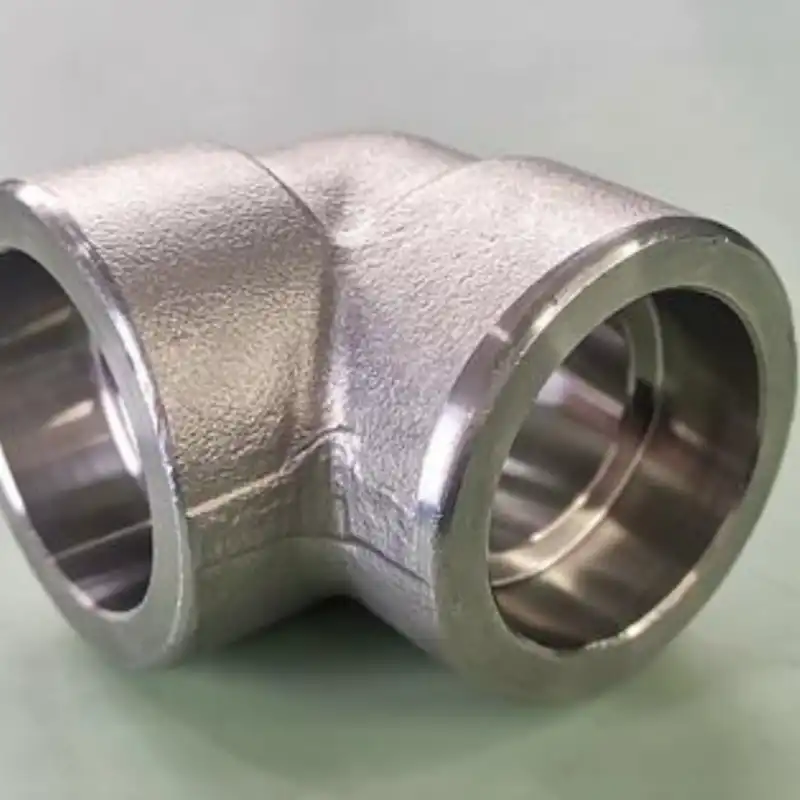
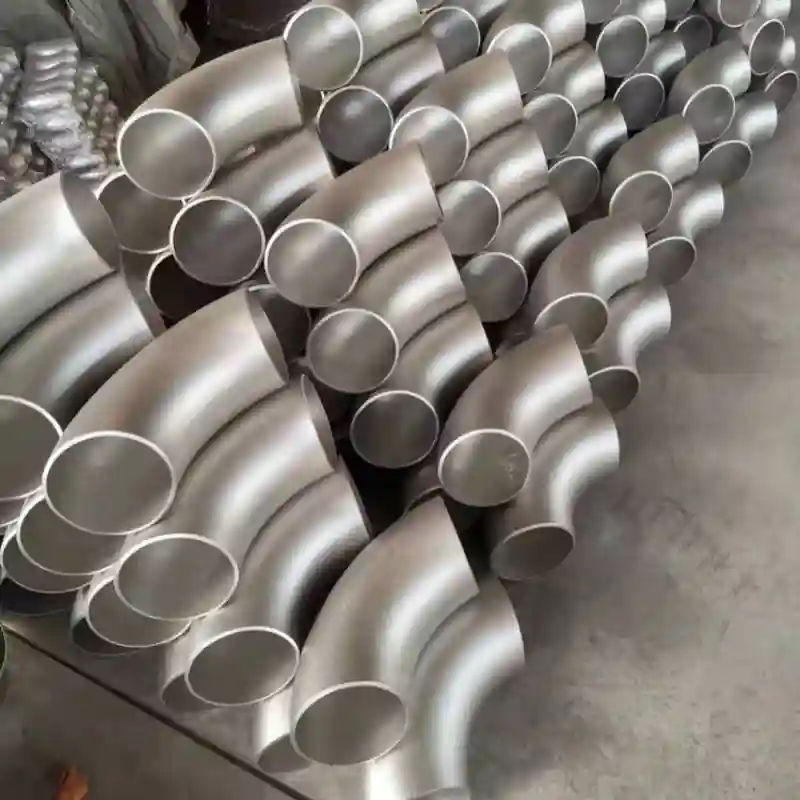
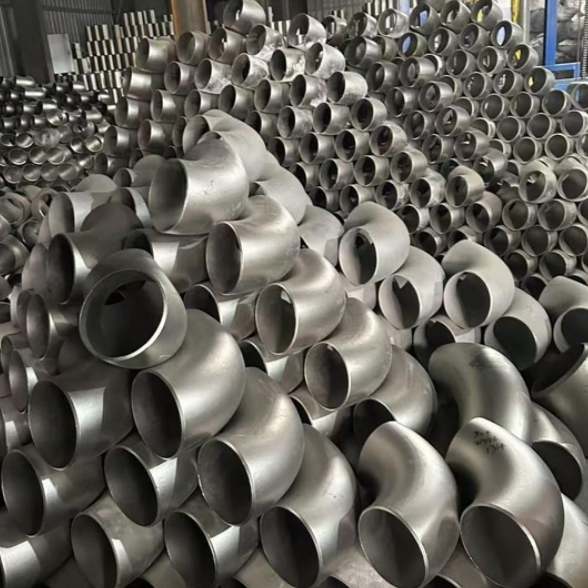
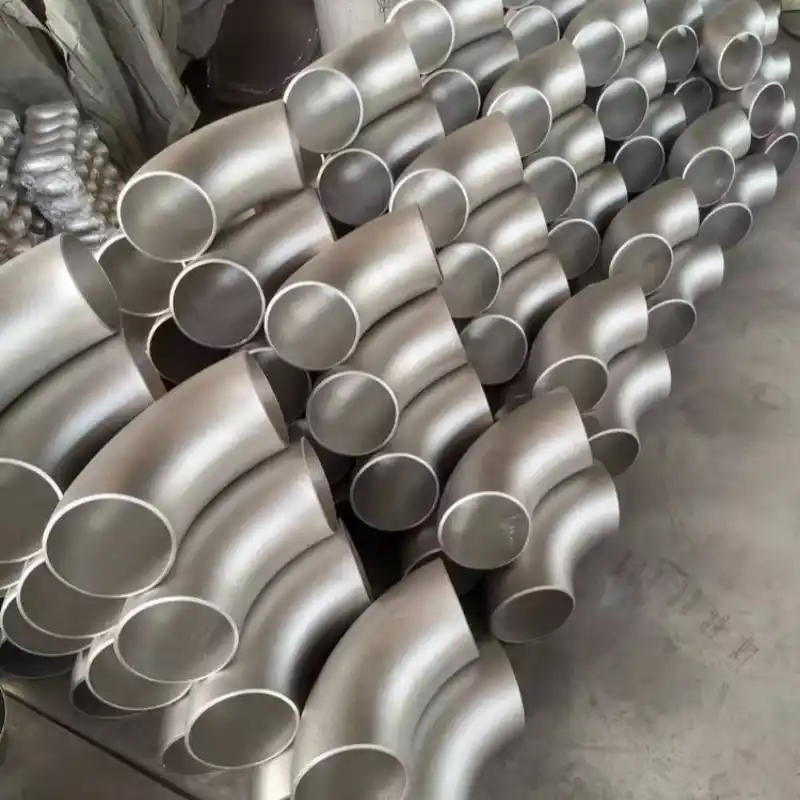
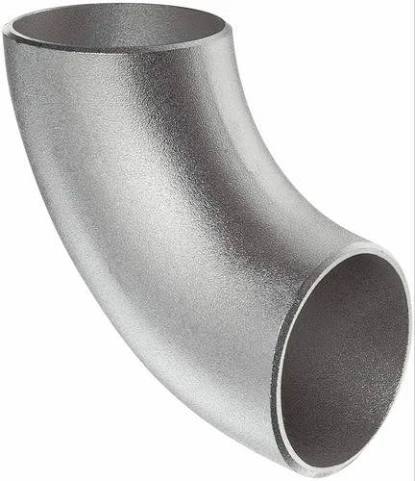
2. Wholesale Stainless Steel PEX Elbow – Core Considerations for Project‑Level Procurement
For large commercial complexes or residential communities, when purchasing stainless steel PEX elbows in wholesale quantities, three key parameters require close attention:
-
Material grade: 304 or 316L is recommended; 316L is preferable for coastal areas or water with high chlorine content.
-
Wall thickness and pressure rating: per ASTM F3347, a 1/2″ elbow should have a working pressure of no less than 160 psi (@73°F).
-
End configuration: whether it comes with a pre‑installed stainless steel press sleeve or an expansion adapter – this directly affects on‑site installation efficiency.
✅Take the Wujiaochang Wanda Commercial Center in Yangpu District as an example. This project includes two super‑high‑rise office towers and a large shopping mall, with a total hot and cold water piping length of 12,000 meters. The contractor initially considered a copper brazing solution, but due to the tight schedule and the need to avoid open‑flame operations, they ultimately selected PEX A pipes with stainless steel press‑fit elbows.
✅The entire piping system was installed within 45 days, passed the pressure test on the first attempt, and has experienced no joint leaks after two years of operation. This case has been included by the Shanghai Installation Engineering Trade Association as a reference for excellent workmanship.
3. Stainless Steel PEX Elbow – Professional Tips for Installation and Maintenance
In actual construction, the selection of stainless steel PEX elbows (90° and 45°) should consider the following:
-
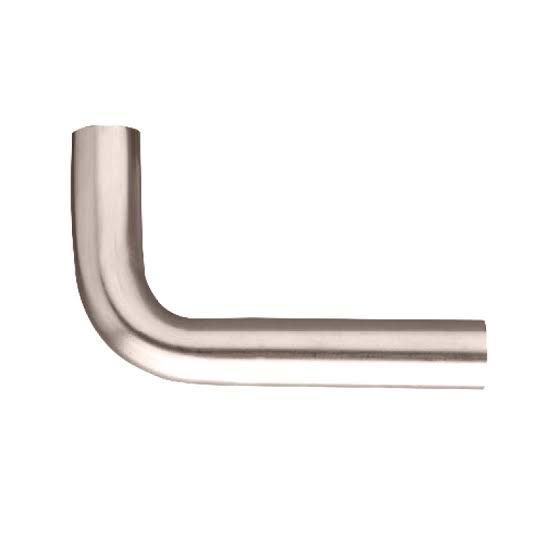
Bending radius matching: the minimum bending radius of PEX A pipe is 5 times the pipe diameter, but using elbows saves significant space – ideal for pipe shafts or ceiling plenums.
-
Preventing galvanic corrosion: when stainless steel comes into direct contact with copper or galvanized steel, insulating gaskets must be used to avoid dissimilar metal corrosion – a detail often overlooked by maintenance personnel.
-
Thermal expansion/contraction compensation: although the stainless steel fitting itself has minimal expansion, long straight pipe runs still require expansion loops; elbows themselves can absorb part of the axial displacement, reducing support loads.
According to the American Society of Plumbing Engineers (ASPE) technical manual, systems using stainless steel PEX elbows can extend maintenance intervals to inspections every 5 years, whereas traditional welded steel pipe systems typically require annual inspections.
Conclusion
📌PEX A stainless steel fittings not only solve the rust and scaling problems of traditional metal pipes but also significantly lower the installation skill threshold through cold‑expansion or press‑joining techniques. Whether for residential renovations or urban complexes like Wujiaochang Wanda, choosing the right stainless steel fittings for PEX is a core decision for safeguarding water quality and ensuring long system life.
📌If you are planning a similar project, it is advisable to evaluate suppliers comprehensively from three dimensions: material certification, batch traceability, and installation training.