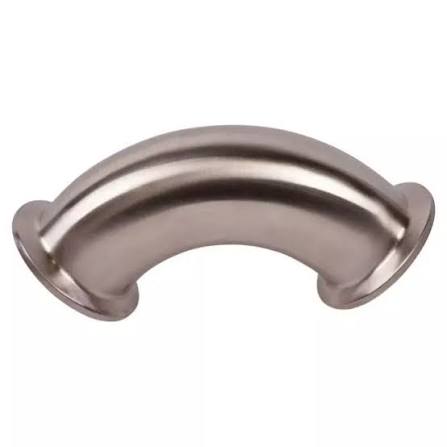
2″ Stainless Steel Elbow: Four Core Technical Parameters You Must Master for Project Selection
☑️In piping systems, the 2 inch stainless steel elbow is one of the most common directional connectors. Whether for new industrial pipelines or old plant retrofits, selecting the right elbow directly affects the operational safety and maintenance costs of the entire piping system.
☑️This article, referencing ASME standards and real-world case studies from domestic water treatment plants, breaks down the key selection dimensions for project engineers regarding the 2 inch steel elbow.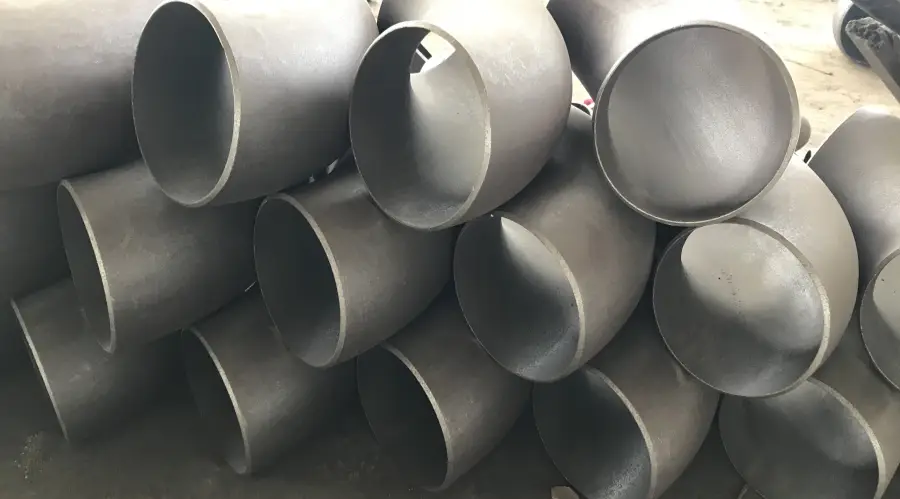
Pressure Rating and Wall Thickness Selection for 2″ Stainless Steel Pipe Elbow
✅Pressure rating is the first threshold in selection. 2-inch stainless steel elbows are typically supplied in Schedule 40S and Schedule 80S wall thicknesses, corresponding to different maximum allowable working pressures.
✅For example, with ASTM A403 WP304L material, Sch 40S offers a working pressure of approximately 230 psi at ambient temperature, while Sch 80S can reach over 345 psi.
✅For steam or high‑temperature media (exceeding 200°C), a temperature derating factor must be applied per ASME B31.3. It is recommended that project teams add a 15%–20% safety margin above the design pressure — a common practice among international engineering firms.
Bend Angle and Radius: 2″ Stainless Steel 90° Elbow vs. 45° Options
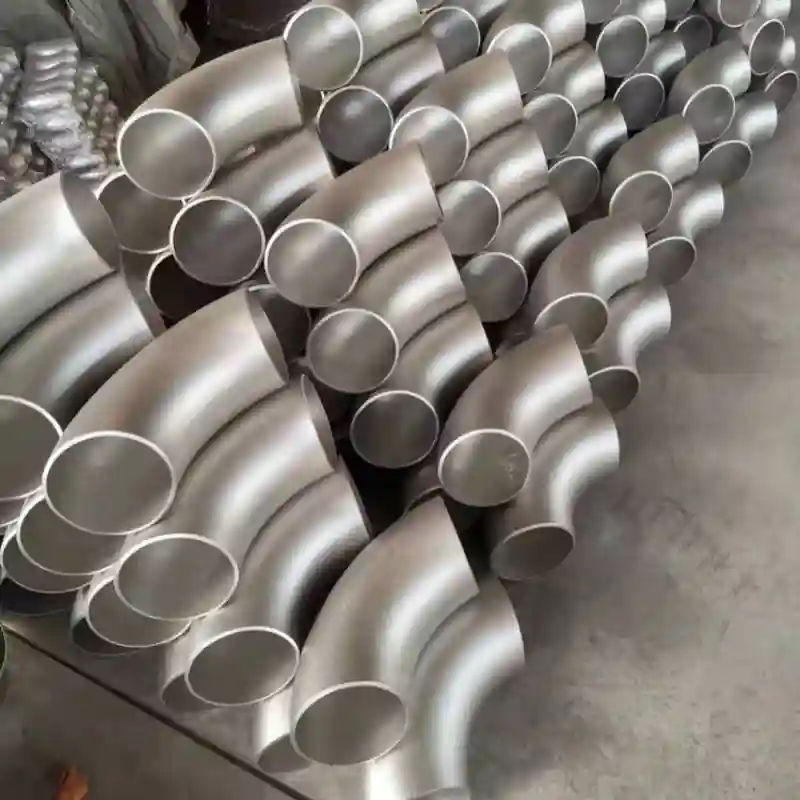
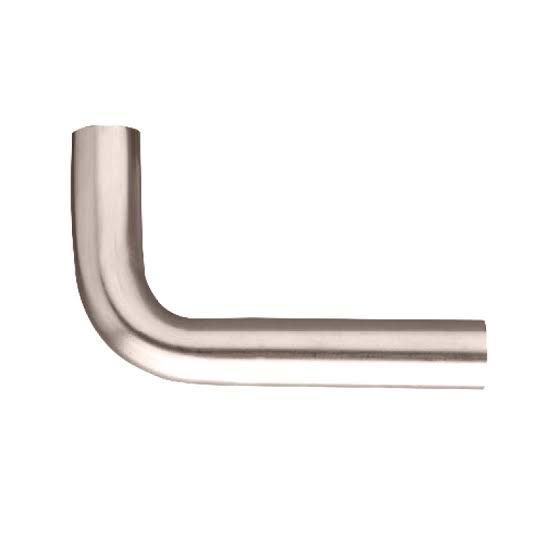
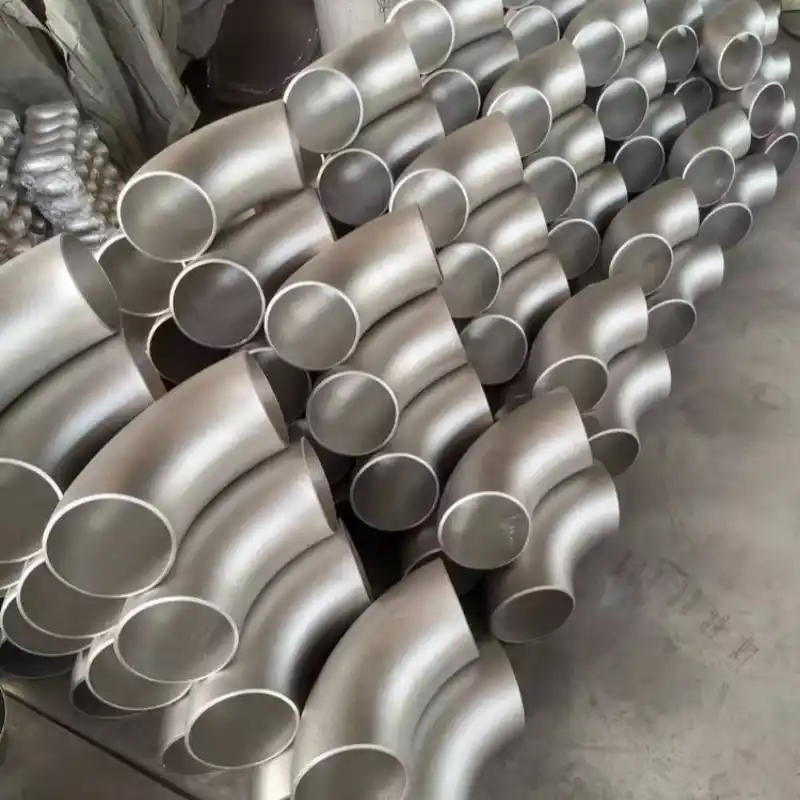
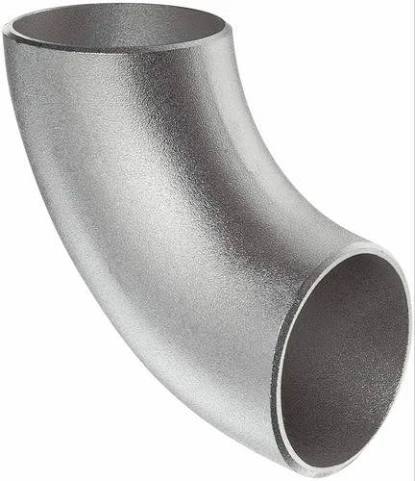
✅Standard elbows are available in 45°, 90°, and 180° bend angles, with the 2″ stainless steel 90° elbow being the most widely used. However, the true factor affecting system pressure drop is the bend radius (R) — long‑radius elbows (R=1.5D) have local resistance coefficients about 30%–40% lower than short‑radius (R=1.0D) designs.
✅For high‑viscosity media or process lines with low‑energy consumption requirements, long‑radius designs should be prioritized. If installation space is restricted, a trade‑off between pressure drop and compactness is necessary.
Stainless Steel Grade Comparison: 304 vs. 316L in 2 Inch Elbow Corrosion Resistance
✅Material determines the service life of the elbow. ASTM A403 is the primary standard for wrought stainless steel elbows, with common grades including WP304, WP304L, and WP316L. For general drinking water or clean water environments, WP304L is fully adequate (low carbon content improves weld corrosion resistance). However, if the medium contains chloride ions (e.g., seawater cooling systems in coastal areas or process water disinfected with sodium hypochlorite), an upgrade to WP316L is mandatory (molybdenum addition boosts pitting corrosion resistance by approximately 3 times).
✅In the sedimentation tank pipeline retrofit of Phase I at the Liyang Water Treatment Plant in Changzhou, 304 elbows were initially used but showed slight intergranular corrosion downstream of the chlorination room. They were subsequently all replaced with 2 inch stainless steel elbow 316L, which has operated leak‑free for over 6 years. This project has become a local benchmark for stainless steel selection in water utility systems.
Standards and Certification: ANSI/ASME B16.9 Dimensional Specifications for 2″ Stainless Steel Elbow
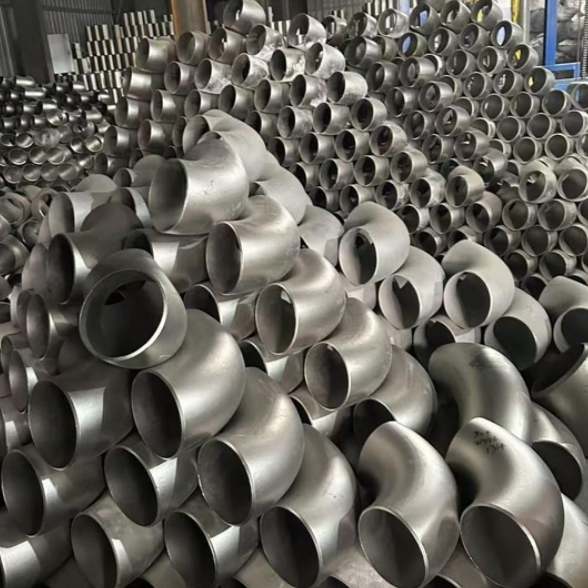
✅ANSI/ASME B16.9 is the most critical dimensional standard for factory‑made wrought fittings, strictly governing end outside diameter, center‑to‑end dimensions, wall thickness tolerances, and ovality requirements for the 2 inch steel elbow.
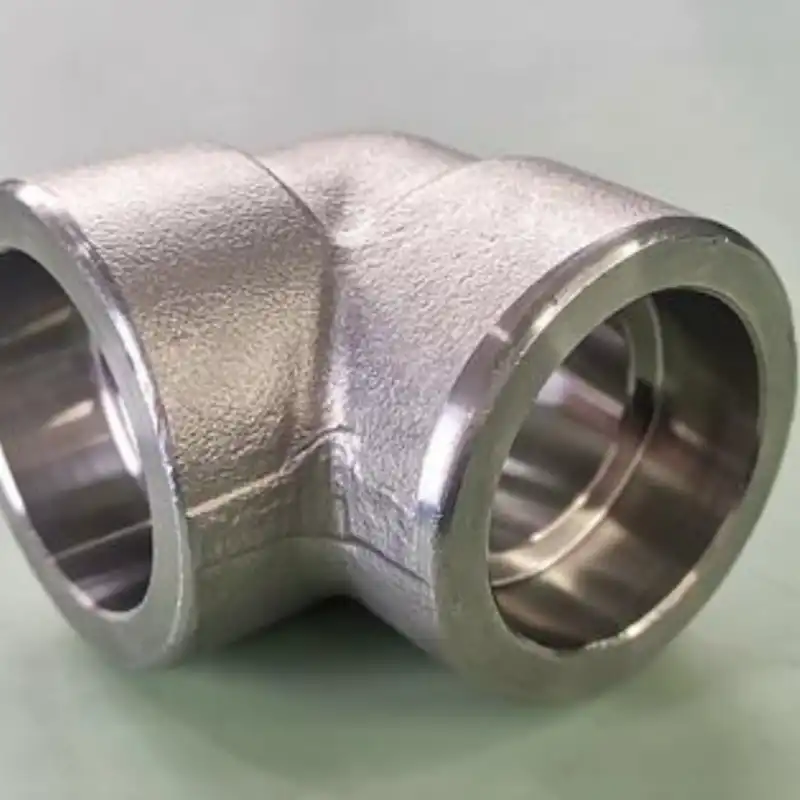
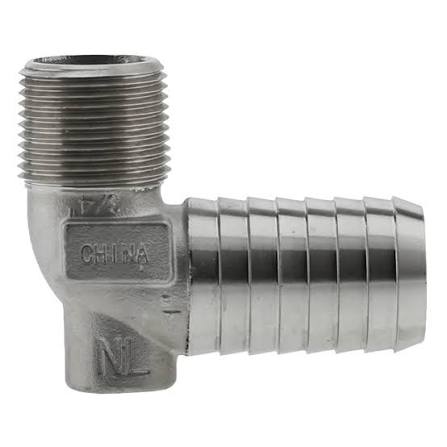
✅When purchasing, in addition to confirming the standard number, ensure that the wall thickness tolerance meets the minimum required thickness (not less than -12.5%). For socket‑welding or threaded elbows, refer to ASME B16.11 instead of B16.9. It is advisable to explicitly state “MSS SP‑43” in the technical specification as a supplementary standard for thin‑wall fittings to avoid supplier confusion.
Summary: For project selection of a 2 inch stainless steel elbow, follow these four steps in sequence: Pressure Rating → Bend Radius → Material Grade → Manufacturing Standard.
For special service conditions (e.g., low‑temperature impact or high‑temperature creep), additional impact testing or metallographic examination requirements should be specified. AIFN can provide complete material certificates and PMI test reports, ensuring full traceability for every elbow.